Learning Objectives
At the end of the lesson, students will be able to:
- Learn common CNS medical terminology.
- Become familiar with describing symptoms and illnesses.
- Demonstrate the ability to communicate with patients in Mandarin.
Vocabulary
| # | Traditional | Simplified | Pīnyīn | Definition |
|---|---|---|---|---|
| 1. | 腦 | 脑 | Nǎo | Brain |
| 2. | 大腦 | 大脑 | Dànǎo | Cerebrum |
| 3. | 小腦 | 小脑 | Xiǎonǎo | Cerebellum |
| 4. | 中樞神經系統 | 中枢神经系统 | Zhōngshū shénjīng xìtǒng | Central nervous system |
| 5. | 脊椎 | 脊椎 | Jǐzhuī | Spine |
| 6. | 脊髓 | 脊髓 | Jǐsuǐ | Spinal cord |
| 7. | 椎骨 | 椎骨 | Zhuīgǔ | Vertebrae |
| 8. | 中風 | 中风 | Zhòngfēng | Stroke |
| 9. | 阿尔茨海默病 / 又称阿兹海默病 / 俗称老年痴呆症 | 阿尔茨海默病 / 又称阿兹海默病 / 俗称老年痴呆症 | Ā'ěr cí hǎi mò bìng / Yòu chēng ā zī hǎi mò bìng / Súchēng lǎonián chīdāi zhèng | Alzheimer's disease |
| 10. | 白內障 | 白内障 | Báinèizhàng | Cataract |
| 11. | 角膜 | 角膜 | Jiǎomó | Cornea |
| 12. | 癡呆 | 痴呆 | Chīdāi | Dementia |
| 13. | 耳鼓膜/耳膜 | 耳鼓膜/耳膜 | Ěrgǔmó/ěrmó | Eardrum |
| 14. | 癲癇 | 癫痫 | Diānjián | Epilepsy |
| 15. | 青光眼 | 青光眼 | Qīngguāngyǎn | Glaucoma |
| 16. | 頭痛 | 头痛 | Tóutòng | Headache |
| 17. | 内耳 | 内耳 | Nèi'ěr | Inner ear |
| 18. | 中耳 | 中耳 | Zhōng ěr | Middle ear |
| 19. | 神經科醫生 | 神经科医生 | Shénjīng kē yīshī | Neurologist |
| 20. | 眼科醫生 | 眼科医生 | Yǎnkē yīshēng | Ophthalmologist |
| 21. | 視神經 | 视神经 | Shìshénjīng | Optic nerve |
| 22. | 耳鼻喉科醫生 | 耳鼻喉科医生 | Ěrbí hóu kē yīshēng | Otorhinolaryngologist |
| 23. | 帕金森氏病 | 帕金森氏病 | Pà jīnsēn shì bìng | Parkinson’s disease |
| 24. | 脊髓灰質炎 / 小兒麻痺症 | 脊髓灰質炎 / 小兒麻痺症 | Jǐsuǐ huīzhí yán / Xiǎo'ér mábì zhèng | Polio |
| 25. | 瞳孔 | 瞳孔 | Tóngkǒng | Pupil |
| 26. | 視網膜 | 视网膜 | Shìwǎngmó | Retina |
| 27. | 視網膜剝離 | 视网膜剥离 | Shìwǎngmó bōlí | Retinal detachment |
| 28. | 神經 | 神经 | Shénjīng | Nerve |
| 29. | 眼鏡 | 眼镜 | Yǎnjìng | Eye glasses / Spectacles |
| 30. | 隱形眼鏡 | 隐形眼镜 | Yǐnxíng yǎnjìng | Contact lens |
| 31. | 中風的症狀 | 中风的症状 | Zhòngfēng de zhèngzhuàng | Symptoms of stroke |
| 32. | 突然麻木感 | 突然麻木感 | Túrán mámù gǎn | Sudden numbness |
| 33. | 臉部,手臂或腿的虛弱無力。特別是在身體的一邊。 | 脸部,手臂或腿的虚弱無力。特别是在身体的一邊。 | Liǎn bù, shǒubì huò tuǐ de xūruò wúlì. Tèbié shì zài shēntǐ de yībiān. | Weakness of face, arm or leg (especially on one side of the body) |
| 34. | 突然的困惑 | 突然的困惑 | Túrán de de kùnhuò | Sudden confusion |
| 35. | 說話困難 | 说话困难 | Shuōhuà kùnnán | Trouble speaking |
| 36. | 講話很難理解 | 讲话很难理解 | Jiǎnghuà hěn nán lǐjiě | Trouble understanding speech |
| 37. | 突然的一個或兩個眼睛看不見。 | 突然的一個或兩個眼睛看不见。 | Túrán de yīgè huò liǎng gè yǎnjīng kàn bùjiàn. | Sudden trouble seeing in one or both eyes |
| 38. | 突然的走路困難 | 突然的走路困难 | Túrán de zǒulù kùnnán | Sudden trouble walking |
| 39. | 頭暈 | 头晕 | Tóuyūn | Dizziness |
| 40. | 失去平衡或協調 | 失去平衡或协调 | Shīqù pínghéng huò xiétiáo | Loss of balance or coordination |
Supplementary Vocabulary
| # | Traditional | Simplified | Pīnyīn | Definition |
|---|---|---|---|---|
| 1. | 頸椎 | 颈椎 | Jǐngzhuī | Cervical vertebrae |
| 2. | 胸椎 | 胸椎 | Xiōngzhuī | Thoracic vertebrae |
| 3. | 腰椎 | 腰椎 | Yāozhuī | Lumbar vertebrae |
| 4. | 不明原因的突然劇烈頭痛 | 不明原因的突然剧烈头痛 | Bùmíng yuányīn dì túrán jùliè tóutòng | Sudden severe headache with no known cause |
| 5. | 骶椎骨 | 骶椎骨 | Dǐ zhuīgǔ | Sacral vertebrae |
| 6. | 尾骨 | 尾骨 | Wěigǔ | Coccyx |
| 7. | 間腦 | 间脑 | Jiān nǎo | Diencephalon |
| 8. | 丘腦 | 丘腦 | Qiūnǎo | Thalamus |
| 9. | 下丘腦 | 下丘脑 | Xià qiūnǎo | Hypothalamus |
| 10. | 腦下垂體 | 脑下垂体 | Nǎo xià chuítǐ | Pituitary gland |
| 11. | 腦幹 | 脑干 | Nǎo gàn | Brain Stem |
| 12. | 中腦 | 中脑 | Zhōng nǎo | Midbrain |
| 13. | 腦橋 | 脑桥 | Nǎoqiáo | Pons |
| 14. | 大腦皮層 | 大脑皮层 | Dànǎo pícéng | Cerebral cortex |
| 15. | 髓質 | 髓质 | Suǐ zhì | Medulla |
| 16. | 額葉 | 额叶 | É yè | Frontal lobe |
| 17. | 頂葉 | 顶叶 | Dǐng yè | Parietal lobe |
| 18. | 枕葉 | 枕叶 | Zhěn yè | Occipital lobe |
| 19. | 顳葉 | 颞叶 | Niè yè | Temporal lobe |
| 20. | 耳蝸 | 耳蜗 | Ěrwō | Cochlea |
| 21. | 結膜炎 | 结膜炎 | Jiémó yán | Conjunctivitis |
| 22. | 腦電圖 | 脑电图 | Nǎo diàn tú | Electroencephalogram (EEG) |
| 23. | 虹膜 | 虹膜 | Hóngmó | Iris |
| 24. | 神經外科醫生 | 神经外科医生 | Shénjīng wàikē yīshēng | Neurosurgeon |
| 25. | 視神經 | 视神经 | Shìshénjīng | Optic nerve |
| 26. | 驗光師 | 验光师 | Yànguāng shī | Optometrist |
| 27. | 擴大瞳孔 | 扩大瞳孔 | Kuòdà tóngkǒng | Pupil dilation |
| 28. | 脊髓受傷 | 脊髓受伤 | Jǐsuǐ shòushāng | Spinal cord injury |
| 29. | 運動神經 | 运动神经 | Yùndòng shénjīng | Motor nerves |
| 30. | 感覺神經 | 感觉神经 | Gǎnjué shénjīng | Sensory nerves |
| 31. | 周邊神經系統 | 周边神经系统 | Zhōubiān shénjīng xìtǒng | Peripheral nervous system |
| 32. | 癲癇發作 | 癫痫发作 | Diānxián fāzuò | Seizures |
| 33. | 近視 | 近视 | Jìnshì | Myopia / Nearsightedness |
| 34. | 遠視 | 远视 | Yuǎnshì | Hyperopia / Farsightedness |
| 35. | 老花眼 | 老花眼 | Lǎohuāyǎn | Presbyopia |
| 36. | 散光 | 散光 | Sànguāng | Astigmatism |
| 37. | 視力模糊 | 视力模糊 | Shìlì móhú | Blurred vision |
| 38. | 雙重影像/复視 | 双重影像/复视 | Shuāngchóng yǐngxiàng / Fù shì | Double Vision / Diplopia |
| 39. | 朦朧 | 朦胧 | Ménglóng | Haziness |
| 40. | 強光 | 强光 | Qiáng guāng | Glare |
| 41. | 明亮燈光周圍的光暈 | 明亮灯光周围的光晕 | Míngliàng dēngguāng zhōuwéi de guāng yūn | Halos around bright lights |
| 42. | 瞇眼 | 眯眼 | Mī yǎn | Squinting |
| 43. | 腰椎穿刺 | 腰椎穿剌 | Yāozhuī chuāncì | Lumbar puncture / Spinal tap |
| 44. | 緊張性頭痛 | 紧张性头痛 | Jǐnzhāng xìng tóutòng | Tension headache |
| 45. | 緊繃的肌肉 | 紧绷的肌肉 | Jǐn bēng de jīròu | Tight muscles |
| 46. | 壓力 | 压力 | Yālì | Stress |
| 47. | 憂鬱症 | 忧郁症 | Yōuyù zhèng | Depression |
| 48. | 焦慮 | 焦虑 | Jiāolǜ | Anxiety |
| 49. | 偏頭痛 | 偏头痛 | Piān tóutòng | Migraine headache |
| 50. | 竇性頭痛 | 窦性头痛 | Dòu xìng tóutòng | Sinus headache |
| 51. | 生活方式的改變 | 生活方式的改变 | Shēnghuó fāngshì de gǎibiàn | Lifestyle change |
| 52. | 頸部僵硬 | 颈部僵硬 | Jǐng bù jiāngyìng | Stiff neck |
| 53. | 多巴胺 | 多巴胺 | Duōbā'àn | Dopamine |
| 54. | 大腦化學物質 | 大脑化学物质 | Dànǎo huàxué wùzhí | Brain chemical |
| 55. | 腦深層電刺激 | 脑深层电刺激 | Nǎo shēncéng diàn cìjī | Deep brain stimulus (DBS) |
| 56. | 前庭測試 | 前庭测试 | Qiántíng cèshì | Vestibular test |
Assignment
Practice conversation:
楊醫生:嗨朱女士,你今天感覺怎麼樣?
杨医生:嗨朱女士,你今天感觉怎么样?
Doctor Yang: Hi Ms. Zhu, how are you feeling today?
病人:這幾天我還是覺得有一點頭暈和無力。上週末我去急診室,醫生告訴我,要我再回來看你。
病人:这几天我还是觉得有一点头晕和无力。上周末我去急诊室,医生告诉我,要我再回来看你。
Patient: I still feel a little dizzy and weak for the past few days. I went weekend and the doctor told me to make a follow up appointment with you.
楊醫生:是的,我看了你在急診室的記錄。關於你的頭暈,頭痛,發燒,咳嗽,流鼻涕,和像流感的症狀。你服用急診室醫生開的處方藥後,你現在感覺好多了嗎?
杨医生:是的,我看了你在急诊室的记录。关于你的头晕,头痛,发烧,咳嗽,流鼻涕,和像流感的症状。你服用急诊室医生开的处方药后,你现在感觉好多了吗?
Doctor Yang: Yes, I read the notes from ED about your dizziness, headache, fever, cough, running nose, and flu like symptoms. Do you feel better now after taking the medications prescribed by a doctor in ED?
病人:是的,我現在比上週六感覺好多了。我晚上咳嗽得很厲害,我晚上只能睡两三個小時。
病人:是的,我现在比上周六感觉好多了。我晚上咳嗽得很厉害,我晚上只能睡两三个小时。
Patient: Yes, I feel much better now than last Saturday. I had bad cough at night and I only sleep about 2-3 hours at night.
楊醫生:你睡不好。你的胃口怎麼樣?你喝足夠的液體嗎?
杨医生:你睡不好。你的胃口怎么样?你喝足够的液体吗?
Doctor Yang: You don’t sleep well. How about your appetite? Do you drink enough fluid?
病人:我的食慾恢復正常了。冬天我不覺得口渴,我水喝得不太多。
病人:我的食欲恢复正常了。冬天我不觉得口渴,我水喝得不太多。
Patient: My appetite is back to normal. I don’t feel thirsty in winter so I don’t drink much water.
楊醫生:你每天要喝足夠的液體是非常重要的。一天當中,你可以喝湯,果汁和水。當你的身體沒有得到它需要的水,你可能會頭暈。
杨医生:你每天要喝足够的液体是非常重要的。一天当中,你可以喝汤,果汁和水。当你的身体没有得到它需要的水,你可能会头晕。
Doctor Yang: It is important that you drink enough fluid every day. You can drink soup, juice and water throughout the day. When your body does not get the water that it needs, you may have dizzy spells.
病人:我的頭暈已经有好多年了。我知道這是很難治好的。
病人:我的头晕已经有好多年了。我知道这是很难治好的。
Patient: I have this Dizziness for years. I know it is very difficult to cure it.
楊醫生:當你感到頭暈时,你覺得房間旋轉嗎?
杨医生:当你感到头晕时,你觉得房间旋转吗?
Doctor Yang: Do you feel the room is spinning when you feel dizzy?
病人:不,房間沒有移動或旋轉。我覺得對光很敏感。出現這種情況,我通常會閉上我的眼睛。
病人:不,房间没有移动或旋转。我觉得对光很敏感。出现这种情况,我通常会闭上我的眼睛。
Patient: No¸ the room is not moving or spinning. I feel sensitive to light. Normally, I would close my eyes when that happens.
楊醫生:你從去年四月開始抱怨你的頭暈。你的平衡和頭暈可能跟你的內耳有關。我想轉診你去看耳鼻喉科診所(ENT)和訂一項前庭測試。前庭治療師也許能幫助你的頭暈。關於做測試你的看法怎麼樣?
杨医生:你从去年四月开始抱怨你的头晕。你的平衡和头晕可能跟你的内耳有关。我想转诊你去看耳鼻喉科诊所(ENT)和订一项前庭测试。前庭治疗师也许能帮助你的头晕。关于做测试你的看法怎么样?
Doctor Yang: You have been complaining about your dizziness since last April. Your balance and dizziness might be related to your inner ear. I would like to refer you to see Otolaryngology (ENT) clinic and order a vestibular test. The vestibular therapist might be able to help you with your dizziness. What do you think of referring you for the test?
病人:如果你覺得這個測試將幫助你得到更多信息了解到底是什麼原因導致我頭暈,並有希望治愈它。我會很樂意的做測試。
病人:如果你觉得这个测试将帮助你得到更多信息了解到底是什么原因导致我头晕,并有希望治愈它。我会很乐意的做测试。
Patient: If you think this test will help you get more information about what causes my dizziness and there is a hope to cure it. I would be very happy to undergo the test.
楊醫生:嗯,這樣很好!我很高興,你看过急診室後, 你现在覺得好多了。前台會幫你安排耳鼻喉科診所預約和前庭測試,你三個月再回來看我。你有别的問題嗎?
杨医生:嗯,这样很好!我很高兴,你看过急诊室后, 你现在觉得好多了。前台会帮你安排耳鼻喉科诊所预约和前庭测试,你三个月再回来看我。你有别的问题吗?
Doctor Yang: Well, that is great! I’m so glad that you feel much better after ED visit. The front desk will help you scheduling ENT appointment and Vestibular test when you check out. I will see you back in three months. Do you have any questions for me?
病人:沒什麼問題。謝謝楊醫生。
病人:没什么问题。谢谢杨医生。
Patient: No questions. Thank you, Dr. Yang.
Figures
-
Major Lobes of the Brain
腦的主要腦葉
脑的主要脑叶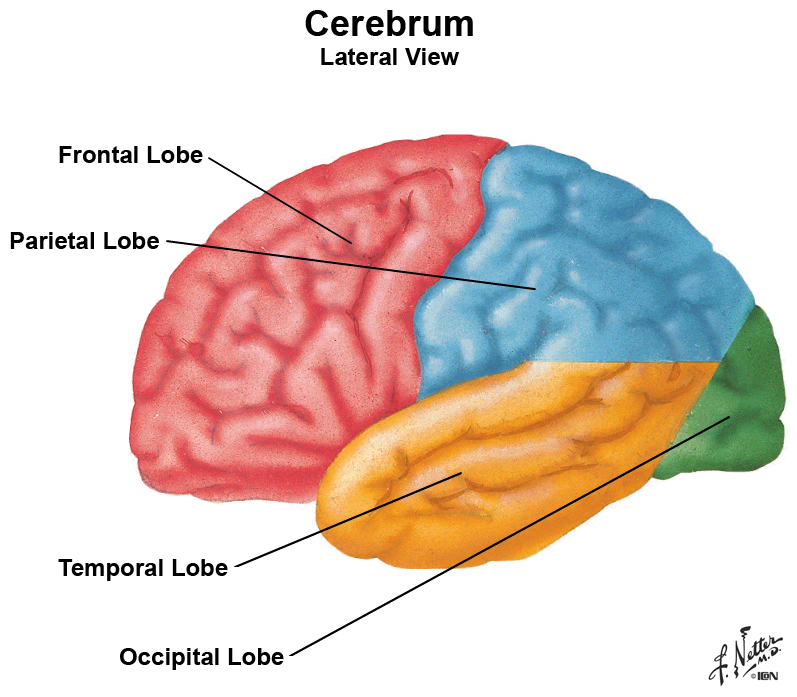
Modified from: Figure0099B_l - Netter Presenter Image Copyright 2005
-
Frontal Lobe
額葉
额叶 -
Parietal Lobe
頂葉
顶叶 -
Occipital Lobe
枕葉
枕叶 -
Temporal Lobe
顳葉
颞叶
-
Frontal Lobe
-
Basic Brain Structure
腦部基本結構
脑部基本结构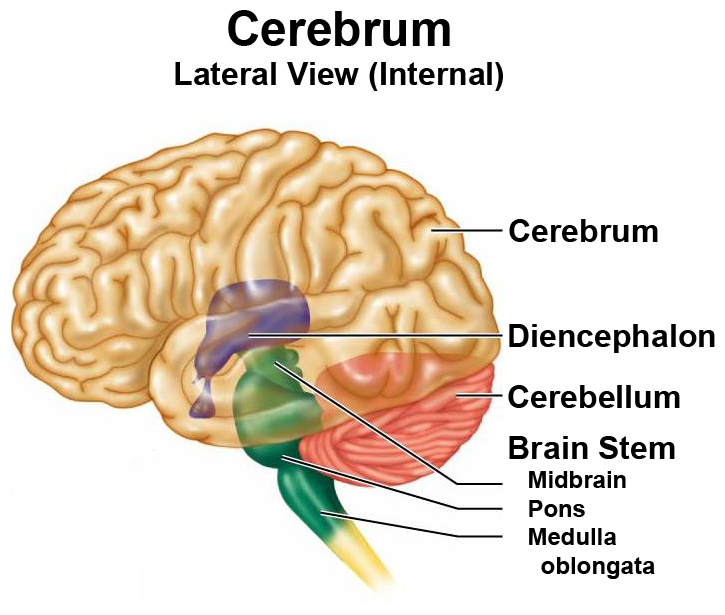
Modified from: eDoctorOnline.com
-
Cerebrum
大腦
大脑 -
Diencephalon
間腦
间脑 -
Cerebellum
小腦
小脑 -
Brain Stem
腦幹
脑干 -
Midbrain
中腦
中脑 -
Pons
腦橋
脑桥 -
Medulla
髓質
髓质
-
Cerebrum
-
Vertebral Column (Spine)
脊椎
脊椎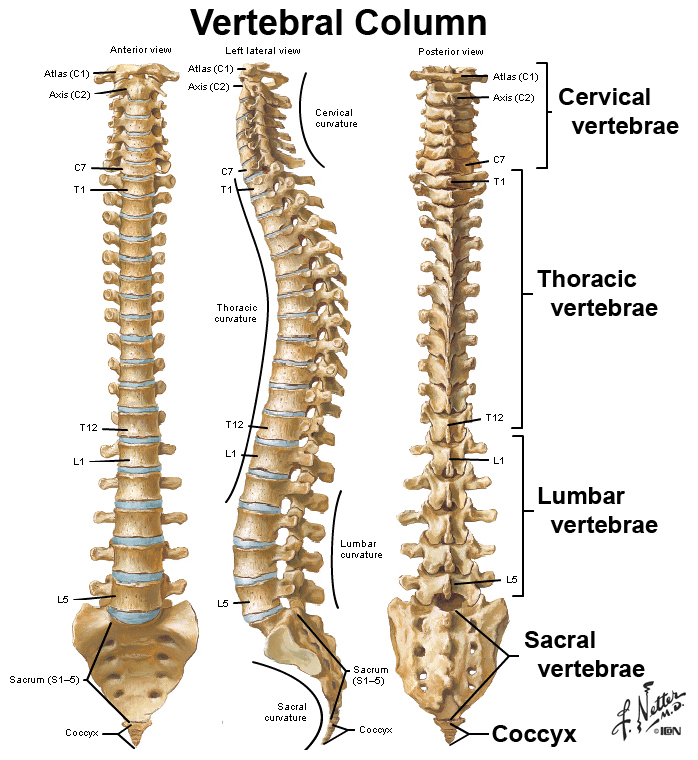
Modified from: Figure0146_l - Netter Presenter Image Copyright 2005
-
Cervical Vertebrae
頸椎
颈椎 -
Thoracic Vertebrae
胸椎
胸椎 -
Lumbar Vertebrae
腰椎
腰椎 -
Sacral Vertebrae
骶椎骨
骶椎骨 -
Coccyx
尾骨
尾骨 -
Pons
腦橋
脑桥 -
Medulla
髓質
髓质
-
Cervical Vertebrae